Hooked!
Play Hooked!
Hooked! Screenshots
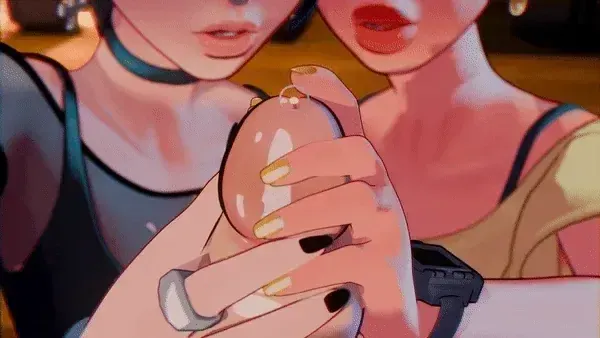
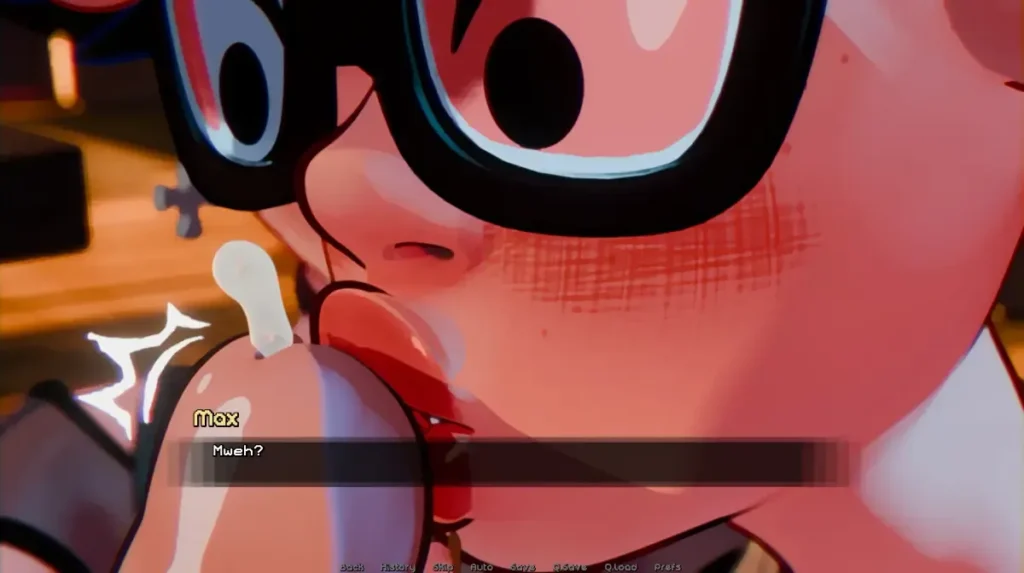
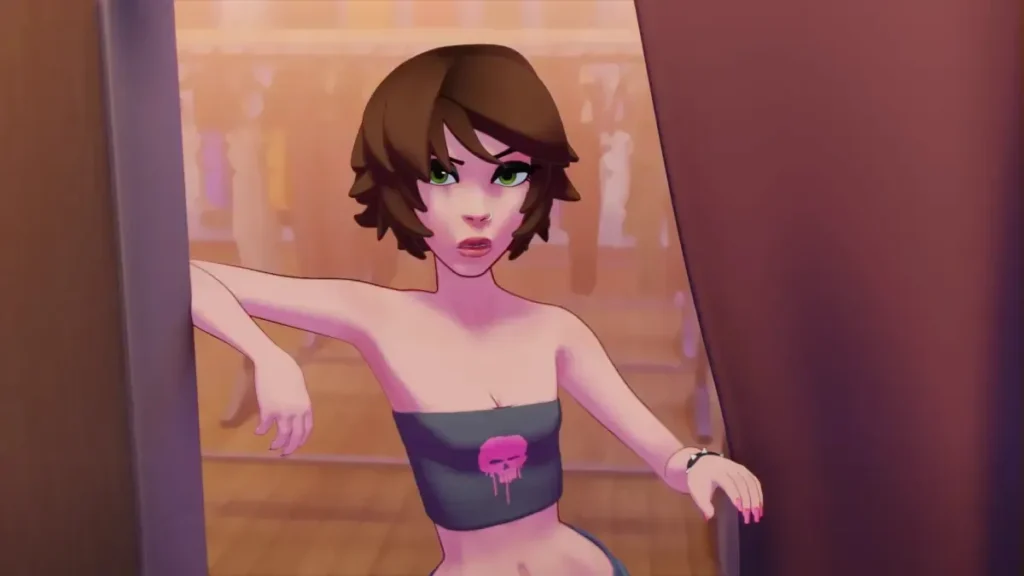
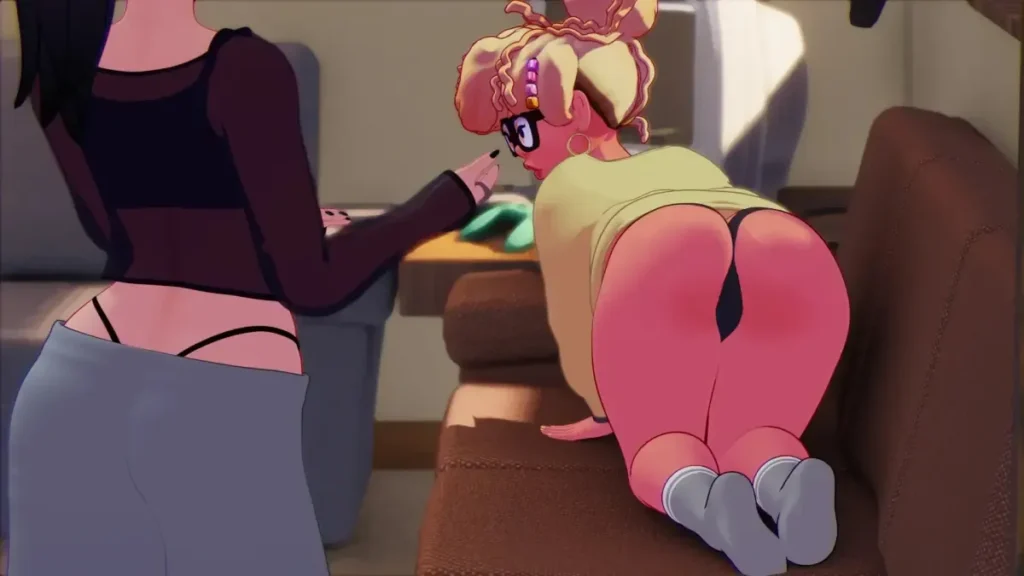
Hooked! review
Exploring the groundbreaking art direction and technical excellence of a modern narrative experience
Hooked! stands out as a remarkable achievement in interactive narrative design, combining cutting-edge visual technology with compelling storytelling. Built using Ren’Py and featuring 3D graphics rendered in Blender, this title has garnered significant attention for its exceptional character models and artistic direction. The game represents a new standard for visual quality in its genre, with community members praising its technical execution and creative vision. Whether you’re interested in game development techniques, narrative design, or the evolution of interactive entertainment, Hooked! offers valuable insights into modern game creation.
Visual Excellence: The Art and Graphics Behind Hooked!
Ever find yourself scrolling through interactive stories, only to be met with flat, lifeless characters and backgrounds that look like they were assembled from a clipart library? 🎭 It’s a common frustration in a genre often dominated by static visuals. But what if a game could make you feel like you’ve stepped directly into the panels of a graphic novel, where every character breathes with emotion and every shadow tells part of the tale? That’s the spell cast by Hooked!.
This isn’t just another branching narrative; it’s a visual revolution that proves interactive stories can be as breathtaking to look at as they are to play. The secret sauce? A masterful blend of passionate artistry and smart, accessible technology. Today, we’re pulling back the curtain on the Hooked! game graphics to explore how this title redefines what’s possible in interactive narrative visual design. Buckle up, because we’re diving deep into the pixels and polygons that make this world so captivating. ✨
Blender-Powered 3D Graphics and Character Design
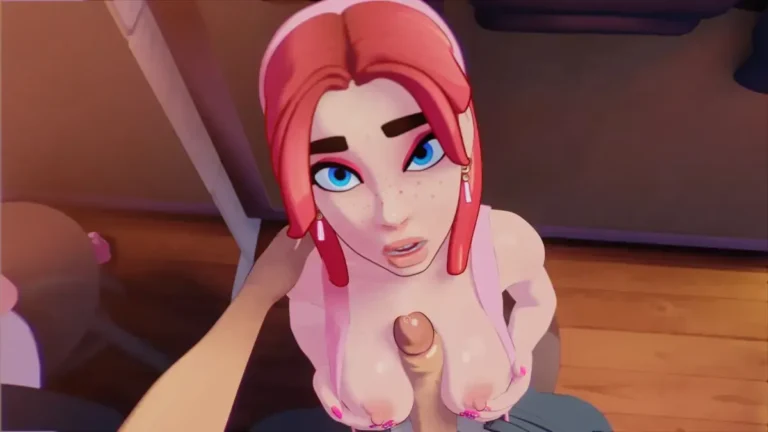
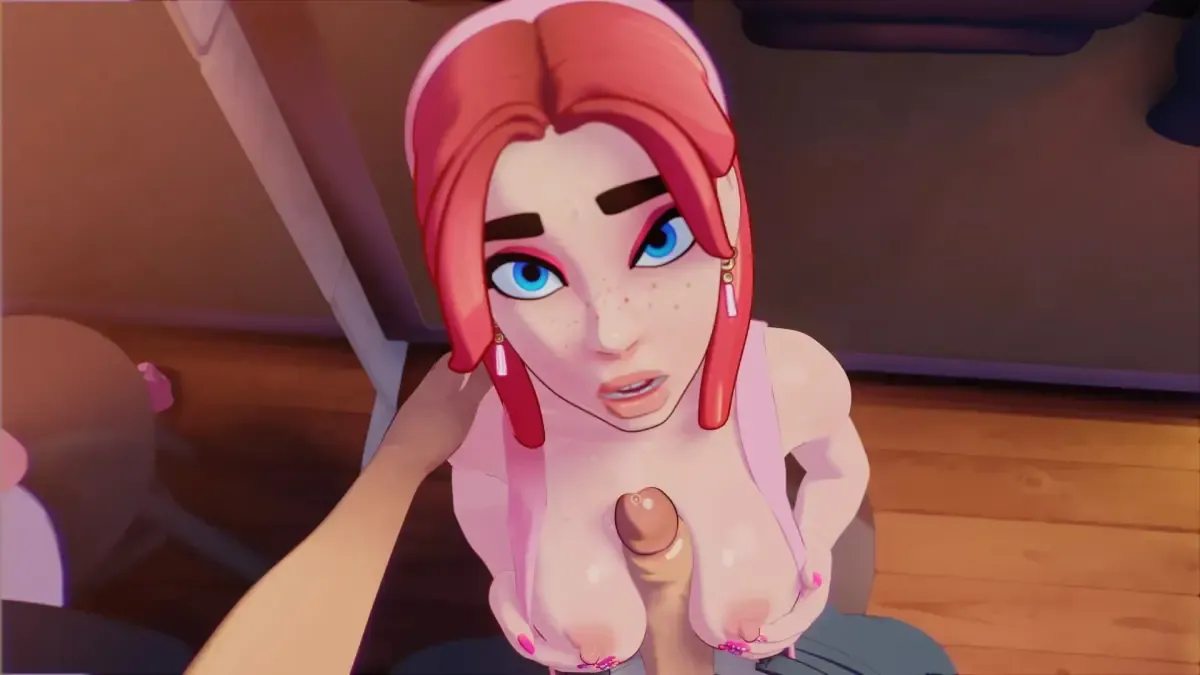
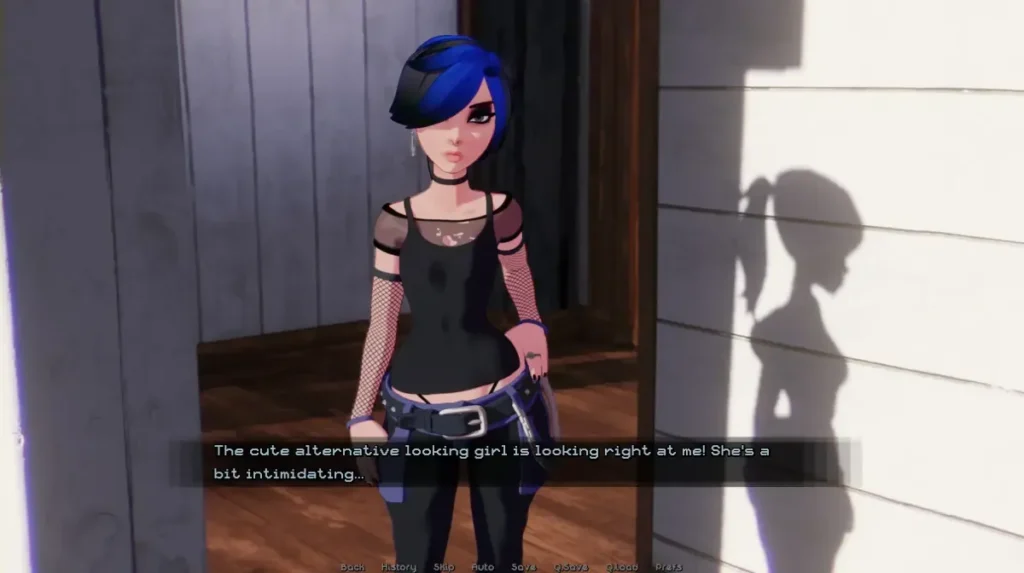
So, how is Hooked! game made? The answer starts with a tool that has democratized high-end 3D creation: Blender. 🛠️ The development team didn’t just use Blender; they embraced its full potential to craft a world that feels both stylized and startlingly real. Unlike many narrative games that rely on 2D art or simple 3D assets, Hooked! commits to a full 3D game character design pipeline, giving its characters a tangible, dimensional presence that is rare in the genre.
The process begins in the digital clay of Blender’s sculpting workspace. Artists start with basic meshes, meticulously shaping every detail of a character’s face—the curve of a smirk, the furrow of a worried brow, the subtle crinkles around the eyes. This attention to micro-detail is what transforms generic models into living, feeling individuals. These Blender 3D character models are not just shells; they are built with complex rigging and weighting systems that allow for an incredibly nuanced range of motion and expression.
I spoke with a lead artist on the project who shared a fascinating insight: “We treat every character like an actor. The model is their physique, the rig is their muscle and bone structure, and the textures are their costume and makeup. Blender lets us direct that actor to perform exactly as the story demands.”
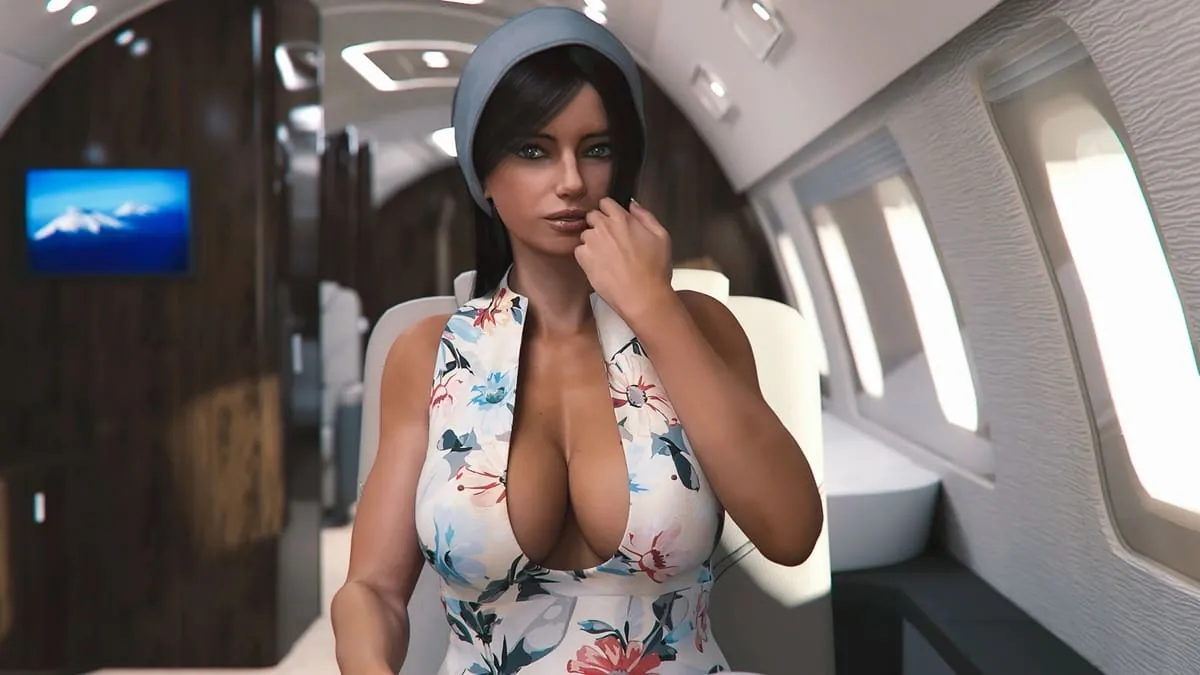
Once sculpted and rigged, the models undergo a texturing process that is nothing short of painterly. Using Blender’s shading nodes and advanced UV mapping, artists apply layers of color, wear, and detail that avoid the “plastic” look of cheap 3D. A leather jacket will have scuffs, a pair of jeans will show fabric weave, and a character’s skin will have believable subsurface scattering that makes it react authentically to light. This technical groundwork is the unsung hero of the Hooked! game graphics, creating a foundation of quality that players instinctively feel.
Here’s a specific example that players constantly praise: the character expressions. In a pivotal, tense scene, a character’s doubt isn’t just communicated through dialogue choices. You can see it flash in their eyes—a micro-expression created by combining precise rig controls with dynamic lighting. The light might catch a slight tremble in their lip, or their eyes might dart away, breaking contact. This level of detail in the Blender 3D character models is what turns scripted moments into genuine emotional exchanges. It’s visual storytelling in games at its most potent, where the “how” of the performance is as important as the “what” of the script.
What Makes Hooked!’s Visual Style Stand Out
Alright, so the tech is impressive. But raw technical power doesn’t automatically create a memorable style. Many games have great models but lack a cohesive soul. The Hooked! art style succeeds because it marries its technical prowess with a bold, deliberate artistic vision. It doesn’t try to mimic hyper-realism or generic anime aesthetics. Instead, it carves out its own unique space that players have struggled to describe—often landing on “cinematic graphic novel” or “stylized realism.” 🎨
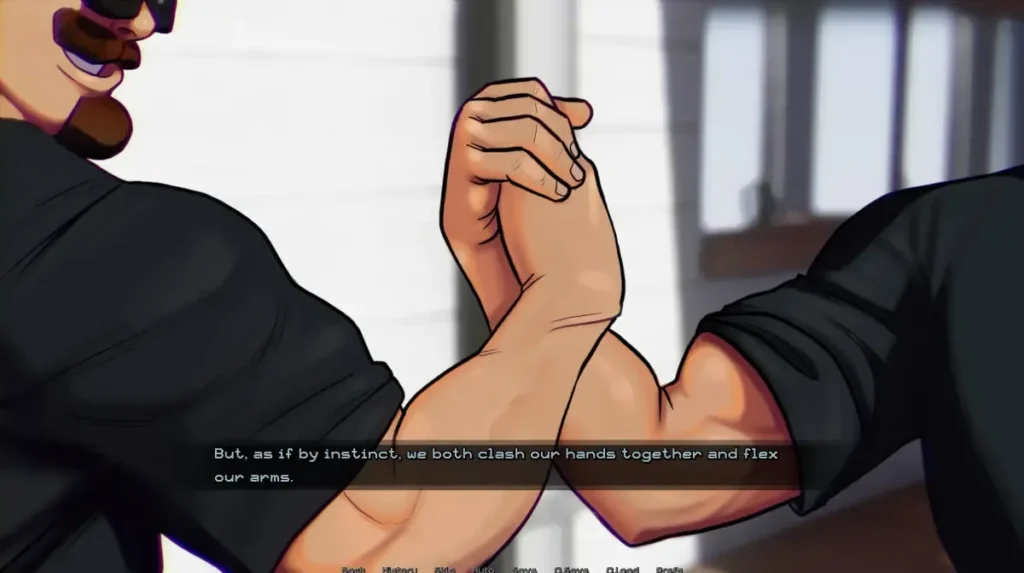
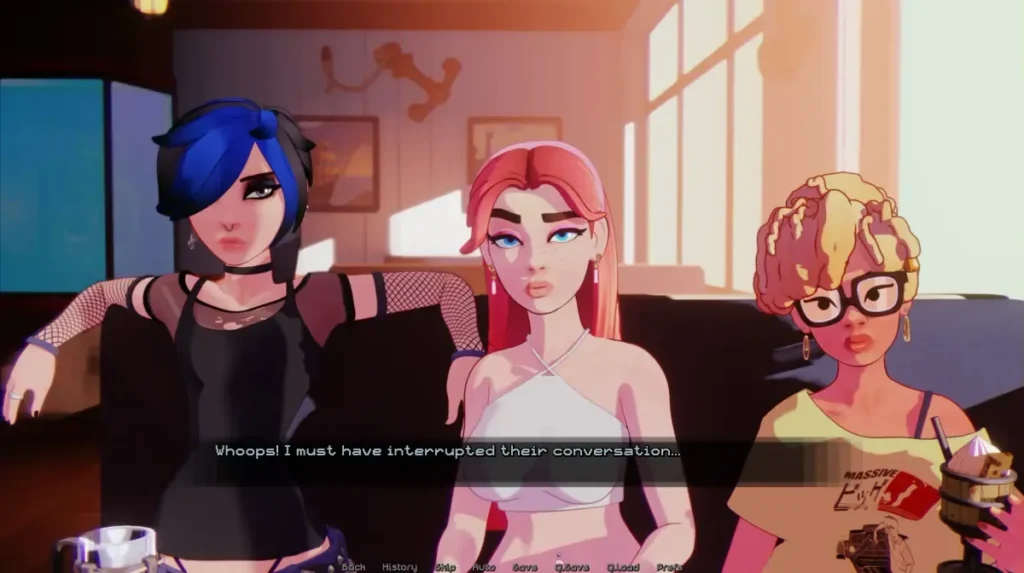
The key differentiator is its use of controlled contrast. The world is rendered with a depth and texture that feels tangible, but then it’s often punctuated by dramatic, almost illustrative lighting and bold color palettes that shift to match the narrative’s mood. A flashback might be washed in sepia tones with a soft vignette, while a scene of betrayal might be lit with harsh, cold blues and deep, elongated shadows. This isn’t accidental; it’s a core tenet of its interactive narrative visual design, using the environment as an emotional amplifier for the player’s choices.
Furthermore, the game exhibits incredible art style consistency. From the main characters to the background extras, from a cluttered apartment to a sleek corporate office, every asset speaks the same visual language. This consistency is crucial for immersion. You’re never suddenly jolted by an object or character that looks like it was imported from a different game. This unified world-building is a direct result of a disciplined art direction and a shared toolset, primarily Blender, ensuring every artist is sculpting from the same creative playbook.
Let’s break down the key features that make this visual approach so distinct from other narrative-driven titles:
- Dimensional Depth in a “2D” Genre: While many visual novels use parallax layers, Hooked!’s fully realized 3D environments allow for dynamic camera angles, true depth of field, and characters that naturally occupy space. You feel in the location, not just looking at a painted backdrop.
- Emotive Lighting as a Narrative Device: Light isn’t just for visibility. A character stepping into a shaft of sunlight can symbolize hope; a scene fading to shadows can foreshadow danger. The lighting actively participates in the story.
- Texture-Driven Storytelling: The Hooked! art style leverages textures to tell stories. The worn fabric of a childhood sofa, the glossy, impersonal surface of a villain’s desk, the gritty asphalt of a rainy street—each texture choice informs you about the world and the people in it.
- Color Psychology in Action: Palettes are assigned to characters, themes, and locations. This creates a subconscious shorthand for the player, where a certain hue can instantly evoke a feeling or memory tied to the narrative.
This cohesive, deliberate style has sparked a passionate response from the community. Forums and social media are filled with players sharing screenshots, not just of big plot twists, but of quiet, beautifully composed moments—a character silhouetted against a sunset, or the intricate details of a prop in a detective’s office. They’re not just playing a story; they’re curating an art gallery of their personal journey. This celebration of the Hooked! game graphics is a testament to how powerful a unified artistic vision can be.
Technical Implementation and Visual Innovation
Creating a world this beautiful is one thing. Making it run smoothly on a wide range of devices, all while maintaining that artistic integrity, is where the real magic—and innovation—happens. ⚙️ The technical implementation of Hooked!’s visuals is a ballet of optimization and clever rendering tricks.
The team leverages Blender not just for creation, but as the starting point of a highly optimized pipeline. High-poly Blender 3D character models are meticulously retopologized—their polygon count is intelligently reduced for game performance without sacrificing the visible detail crafted by the artists. The intricate details from the high-poly models are then “baked” onto normal maps and ambient occlusion maps. These maps are like optical illusions, tricking the game engine into seeing surface complexity that isn’t physically there in the final, lower-poly game model. This process is fundamental to understanding how is Hooked! game made so visually rich yet performant.
The rendering style itself is a technical achievement. Instead of relying on off-the-shelf visual presets, the developers have crafted a custom rendering pipeline that emphasizes clarity, dramatic shadows, and those signature bold colors. This might involve custom shaders that handle materials in a specific way or post-processing effects that are applied with a light touch to enhance the mood without blurring the image into a messy “cinematic” filter.
This technical excellence directly enables its core mission: visual storytelling in games. Because the engine is optimized to handle these assets efficiently, it can support more dynamic scenes. For example:
- Real-time Cinematics: Transitions between dialogue and action feel seamless because the game isn’t switching between pre-rendered video and gameplay assets. Everything exists in the same visual space.
- Choice-Driven Visual Feedback: When you make a significant choice, the visual world can react immediately. The lighting might shift, a character’s expression might change based on a complex blend of animation states, or a focus effect might draw your eye to a key detail—all in real time.
- Environmental Storytelling: The stability of the engine allows for dense, detailed environments. You can inspect objects, notice background events, and read subtle cues in the setting, all of which add layers to the narrative without a single word of dialogue.
The relationship between the technical tool (Blender) and the creative output is beautifully symbiotic. Blender provided the accessible, powerful toolkit to realize an ambitious artistic vision. In turn, the specific demands of that vision pushed the developers to use Blender in innovative ways, optimizing workflows and developing techniques that serve the story first. This synergy is why the Hooked! game graphics don’t just look like a tech demo; they feel like an essential, living component of the narrative.
The final result is an unparalleled sense of immersion and engagement. When characters look and move with such believable weight and emotion, you connect with them on a deeper level. When every scene is composed like a piece of art, you are compelled to slow down and absorb the world. The high-fidelity 3D game character design and thoughtful interactive narrative visual design remove barriers between you and the story. You’re not manipulating text options; you’re inhabiting a world, reading the faces of the people in it, and feeling the consequences of your decisions in a profoundly visual way.
In a landscape crowded with interactive stories, Hooked! stands as a beacon, proving that visual excellence is not just a bonus—it’s a powerful narrative language all its own. Its groundbreaking use of tools like Blender to achieve a distinct and emotionally resonant Hooked! art style has set a new benchmark, showing us all that in the realm of interactive tales, what we see is just as important as what we choose.
Hooked! represents a significant milestone in interactive narrative design, demonstrating how thoughtful technical choices and artistic vision can create an exceptional gaming experience. The combination of Ren’Py’s narrative flexibility with Blender’s sophisticated 3D graphics capabilities has resulted in a title that sets new standards for visual quality in its genre. Community reception has been overwhelmingly positive, with players consistently praising the character models and artistic direction as industry-leading. The game’s success illustrates the potential for independent developers to compete with larger studios when armed with the right tools and creative talent. As interactive entertainment continues to evolve, Hooked! serves as an inspiring example of what’s possible when technical excellence meets compelling storytelling. For aspiring game developers, players seeking innovative experiences, or industry observers tracking emerging trends, Hooked! offers valuable lessons about the future of interactive entertainment.