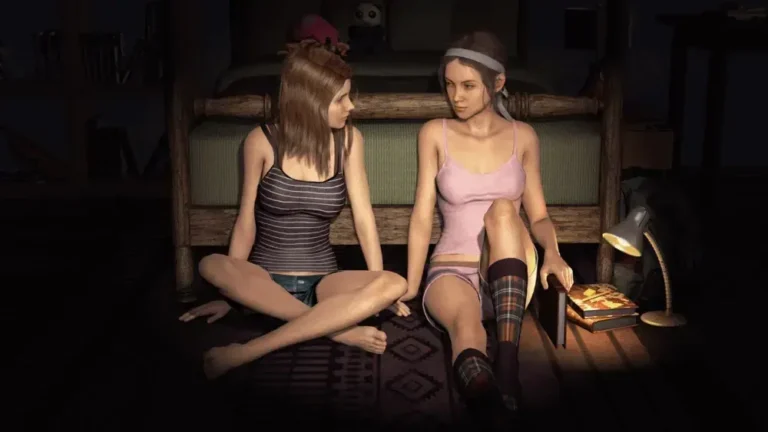
Short Sad Stories
Play Short Sad Stories
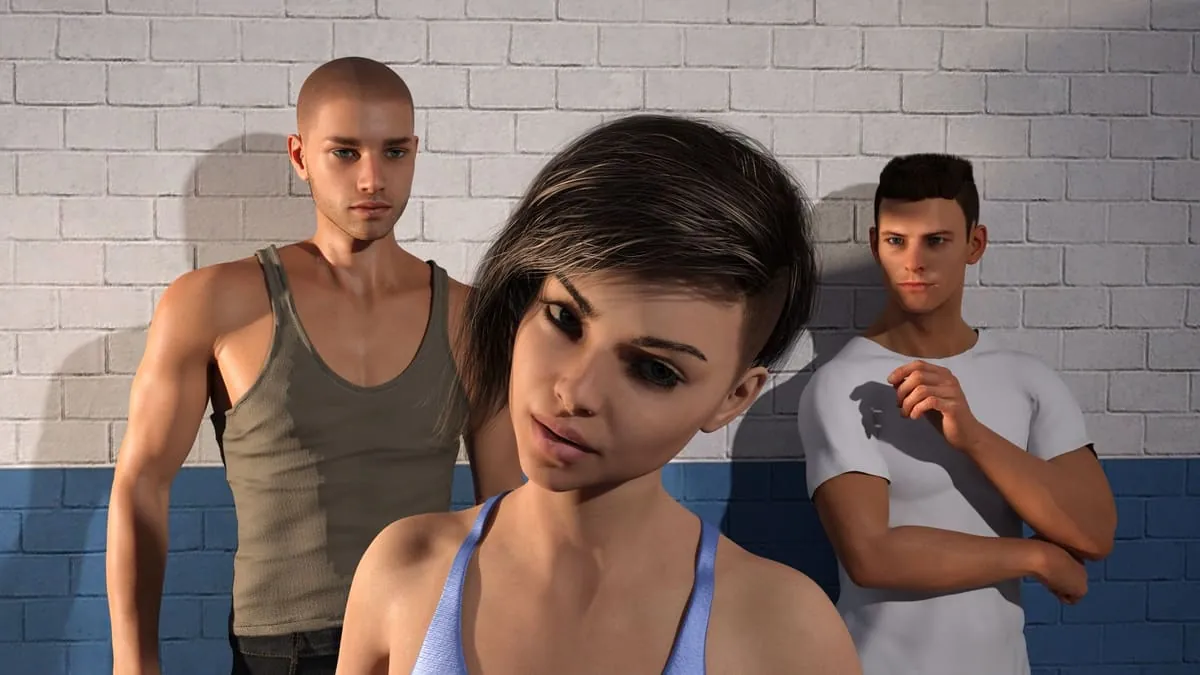
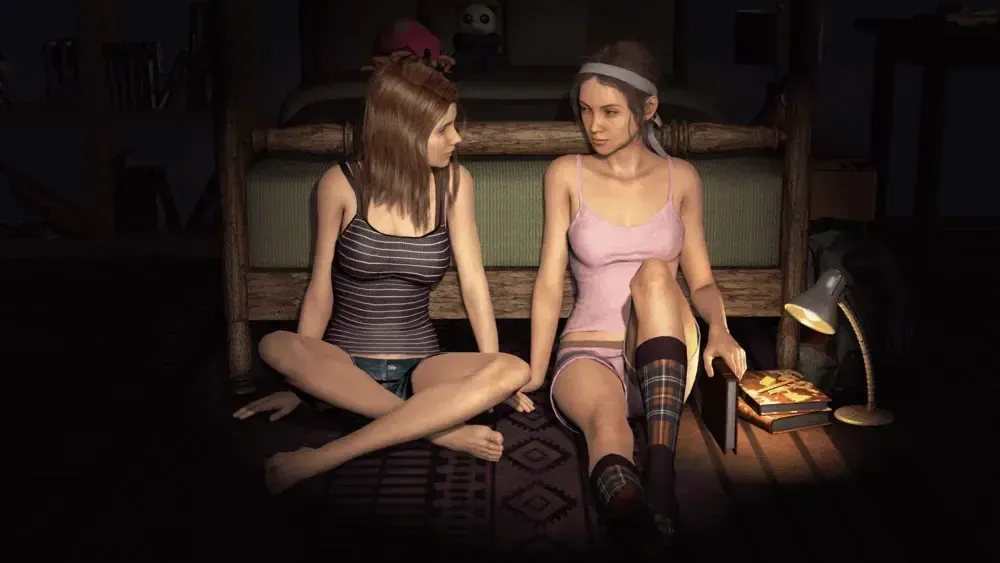
Short Sad Stories Screenshots
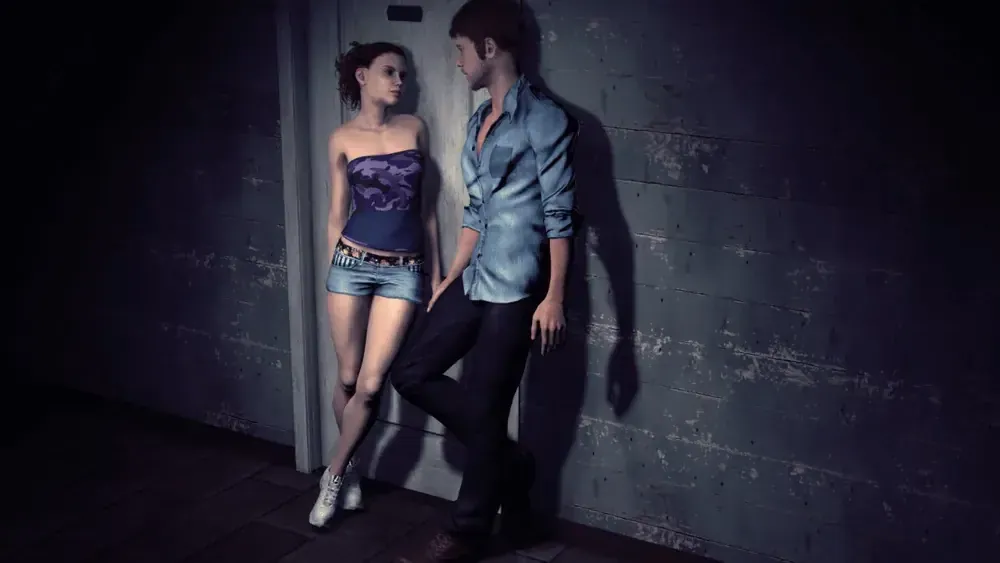

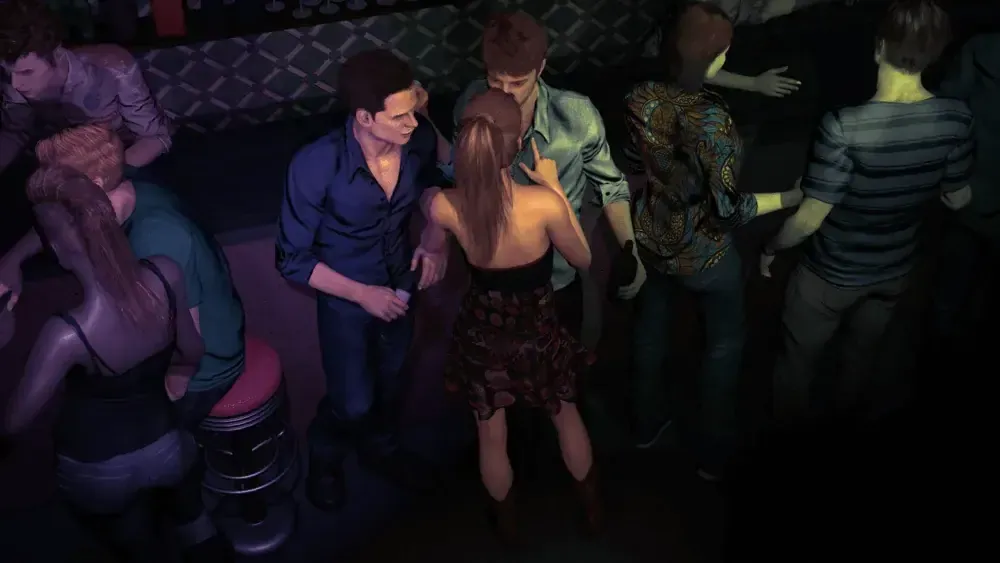
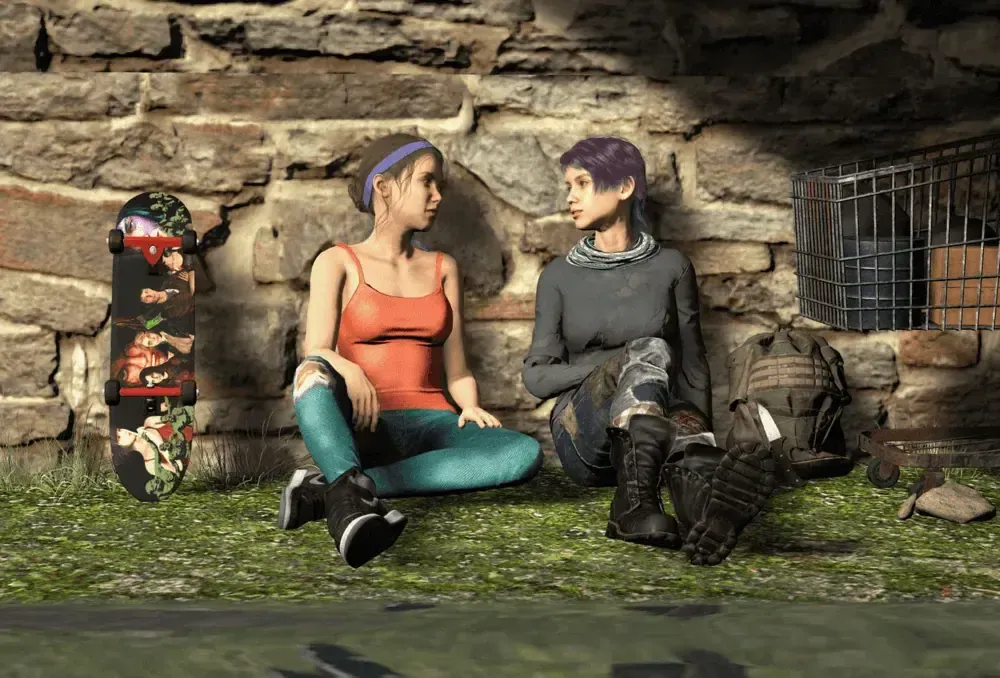
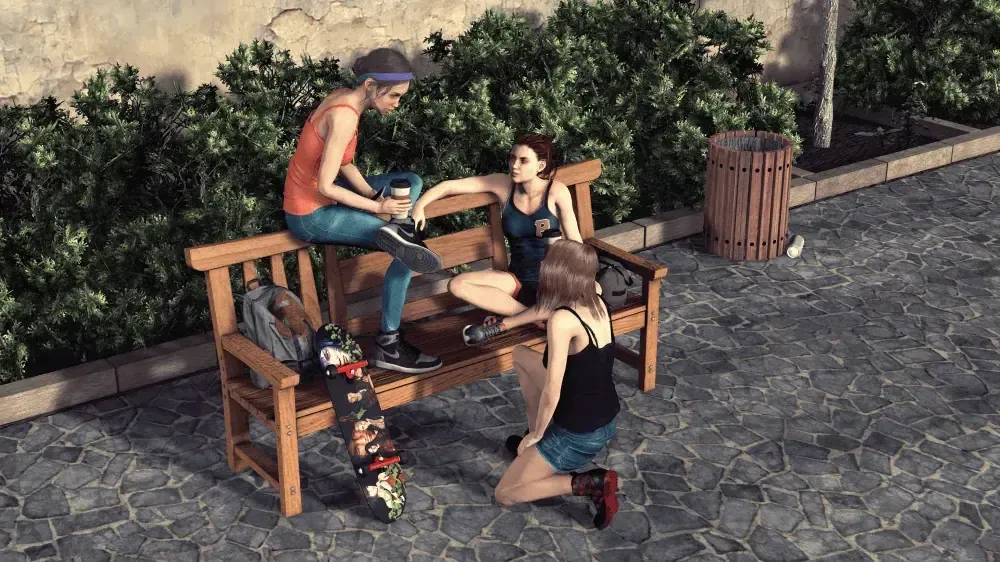
Short Sad Stories review
Dive into Heartbreaking Narratives and Player Choices in Pent Panda’s Captivating Game
Have you ever played a game that left you staring at the screen, heart heavy with unspoken emotions? That’s exactly what Short Sad Stories delivers—a poignant visual novel from Pent Panda that weaves intertwined tales of young adults navigating love, loss, and harsh realities in a bustling city. Centered on characters like dreamy Alice torn between fantasy and truth, returning hero Zach, and shadowy friends with hidden secrets, this interactive sad story game blends branching choices with inevitable heartbreak. I remember my first playthrough; a single decision reshaped Alice’s path, hitting me like a quiet storm. In this guide, we’ll explore its narrative magic, gameplay, and why it lingers long after the credits roll. Ready to uncover the layers of Short Sad Stories?
What Makes Short Sad Stories an Unforgettable Interactive Experience?
I still remember the first time I booted up Short Sad Stories. I was expecting a passive, pretty slideshow of melancholy—something to sigh over for an hour before moving on. What I got instead was a quiet earthquake. 🫢 This wasn’t just a story I was watching; it was an emotional landscape I was navigating, choice by delicate choice. Pent Panda’s interactive sad story game doesn’t just tell you a tale; it makes you live inside the fragile moments that define its characters. If you’ve ever wondered, “What is Short Sad Stories about?”—it’s about the quiet spaces between joy and despair, and how we find ourselves there.
At its heart, the Short Sad Stories narrative is a woven tapestry of young adulthood in a bustling, indifferent city. We follow a group of interconnected souls: Alice, the dreamy artist forever dancing on the line between her vibrant imaginary world and a colder reality, often pouring her love into places it can’t grow; Zach, the “hero” who returns from a personal quest not with triumph, but with empty hands and a heavier heart; Olivia and her circle of friends, all facing dilemmas that feel world-ending. Their stories are a symphony of confrontations, misfortunes, and complex romances. Yet, calling it purely tragic misses the point. This is a tale of overcoming and, crucially, hope—not the loud, cheering kind, but the quiet, stubborn hope that persists after a storm.
Who Are the Key Characters in Short Sad Stories?
The magic of this Short Sad Stories visual novel lives and dies with its people. They aren’t archetypes; they’re fragments of people we’ve known, or maybe parts of ourselves we recognize. Getting to know the Short Sad Stories characters is the entire point of the journey.
Let’s start with Alice. 🎨 To call her a daydreamer is an understatement. She builds entire worlds in her sketchbook, but her real struggle is anchoring her heart in a reality that often disappoints. Her arc is a painful, beautiful exploration of loving the “wrong” person—not a villain, but someone simply incapable of meeting her in the magical place she inhabits. Your interactions with her often feel like you’re trying to gently guide a ghost toward the light.
Then there’s Zach. 💼 He wears the weight of expectation like a lead coat. The narrative cleverly subverts the “returning hero” trope. He comes back not with glory, but with the profound emptiness of failure. Your choices with Zach revolve around how he processes this—with bitter anger, numb acceptance, or a slow, painful turn toward a new definition of strength. His story asks: what do you do when the quest that defined you leaves you with nothing?
Olivia and her friends round out this emotional ensemble, presenting dilemmas that feel ripped from late-night, heart-to-heart conversations. A friendship strained by a terrible secret, a romantic choice that will inevitably hurt someone, the struggle to pursue a passion against practical odds. You don’t just observe their crises; you sit in the passenger seat, offering input that shapes your understanding of their hearts, even if it can’t change their ultimate destination.
How Do Branching Paths Shape Your Emotional Journey?
Here’s where Short Sad Stories becomes truly revolutionary for the visual novel genre. Most games with branching storylines promise you control: “Your choices matter! Change the ending!” This game does something braver and, frankly, more true to life. Your choices deepen, not divert.
You will make countless decisions, from what to say in a tense conversation to seemingly small acts like curating items for a memory box or deciding which photo to place face-down. 🌌 These branches don’t lead to a “good” or “bad” ending. Instead, they lead you down different corridors of the same house. You’ll uncover new layers of a character’s motivation, witness a scene from a unique angle, or understand the root of a regret with stunning clarity. One playthrough might have you convinced of a character’s selfishness; another will reveal their action as the only form of love they knew how to give.
This design is genius. It turns the Short Sad Stories narrative from a fixed path into a prism. You’re not playing to “win” a happy outcome; you’re playing to comprehend. The emotional payoff isn’t in victory, but in profound empathy. The game’s structure acknowledges that in real life, we often can’t change the outcome—but we can infinitely change how we understand the journey.
To see how this works in practice, let’s break down a few of the key narrative threads:
| Story Arc Theme | Core Interactive Mechanic | Emotional Payoff |
|---|---|---|
| Loss & Letting Go | Curating a memory box; choosing which mementos to keep, which to symbolically release. | A cathartic, player-driven ritual that mirrors the character’s internal process of acceptance, making the sadness feel active and managed. |
| Unrequited Love & Idealization | Dialogue choices that either challenge or enable a character’s romantic fantasies. | Deeper insight into the protective nature of delusion, making the eventual moment of clarity heartbreakingly inevitable, not just tragic. |
| The Burden of Failure | Deciding how a character narrates their own “failure” to others—with excuses, honesty, or silence. | Shapes your (and their) perspective on what defines worth, transforming pity into respect for their resilience. |
| Fractured Friendship | Choosing which side of a story to investigate first, uncovering partial truths. | Creates a nuanced view of conflict where no one is purely at fault, leading to a more mature, bittersweet form of closure. |
Why Does the Inevitable Sadness Feel So Real?
This is the masterstroke of Pent Panda’s design. In a typical game, sadness is often a punishment for a wrong choice. In Short Sad Stories, the emotional weight is a consequence of caring. The game builds such authentic, fragile connections between you and the Short Sad Stories characters that their pain becomes shared. You’re not a puppeteer avoiding strings snapping; you’re a friend walking beside them, and sometimes, you have to watch them stumble.
The interactive sad story game mechanics are the vehicle for this. I’ll never forget the moment I had to pack a box for Alice. The game presented me with a handful of her belongings—a ticket stub, a worn sketch, a dried flower. Placing each item felt like archaeology of the heart. When I chose to put the photograph of her unrequited love at the very bottom, face down, the game didn’t flash “SAD ENDING.” It just let the silence hang. And in that silence, I felt a crushing wave of finality and a whisper of growth. It was my action, my small ceremony for her. That’s why it felt so real.
“I spent ten minutes staring at the inventory screen, a ticket stub in my cursor. It wasn’t a ‘choice.’ It was a funeral for a feeling I helped bury. That’s the power of this game.”
The themes of loss, regret, and the slow, often unwilling march toward maturity are handled with a delicate, unflinching hand. The sadness isn’t gratuitous; it’s the soil from which the game’s persistent hope eventually sprouts. You feel the “overcoming” not as a triumphant cheer, but as the quiet determination to open the curtains the next morning, even when the light hurts your eyes. ✨
My actionable advice for you? Replay it. Seriously. 🌀 The true genius of the Short Sad Stories visual novel is only unlocked through multiple journeys. Play once for your instinctive choices. Then play again, making the opposite decisions. Seek out those different branching storylines. You will be astonished at how the same core events can resonate with entirely new emotional frequencies. You’ll find sympathy for characters you once judged, and see the flaws in those you once idolized. This isn’t just a game you finish; it’s an experience you study, and each study session deepens your connection to its heartbreaking, hopeful world.
In the end, Short Sad Stories redefines what an interactive narrative can be. It swaps the power fantasy for an empathy engine. It proves that in letting go of control over destiny, we can gain a profound understanding of the human heart. It’s not just a game you play; it’s a place you visit, and a feeling you carry with you long after you’ve put the controller down.
Short Sad Stories isn’t just a game—it’s an emotional odyssey through Alice’s dreams, Zach’s disappointments, and the tangled bonds of friendship and romance that define us. From curating memories to facing unchangeable fates, its branching choices invite you to feel every heartbreak deeply, emerging with a newfound appreciation for life’s quiet tragedies and hopes. I’ve revisited it multiple times, each path revealing fresh layers of maturity and connection. If you’re craving a visual novel that prioritizes raw feeling over triumph, download the Final + DLC version today. Step into its world, make your choices, and let it change how you see stories—play Short Sad Stories now and carry its echoes with you.