
University of Problems
Play University of Problems
University of Problems Screenshots









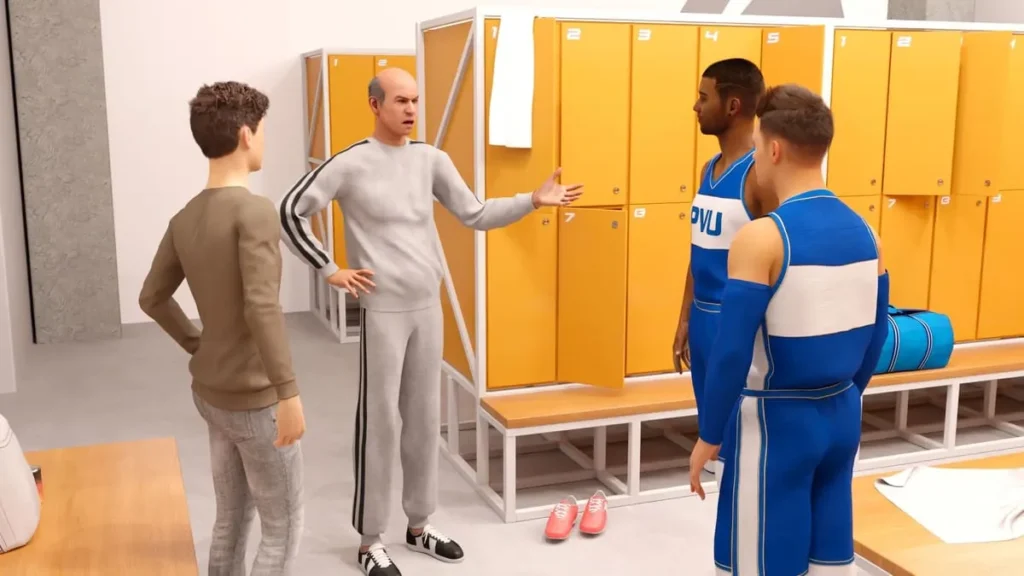






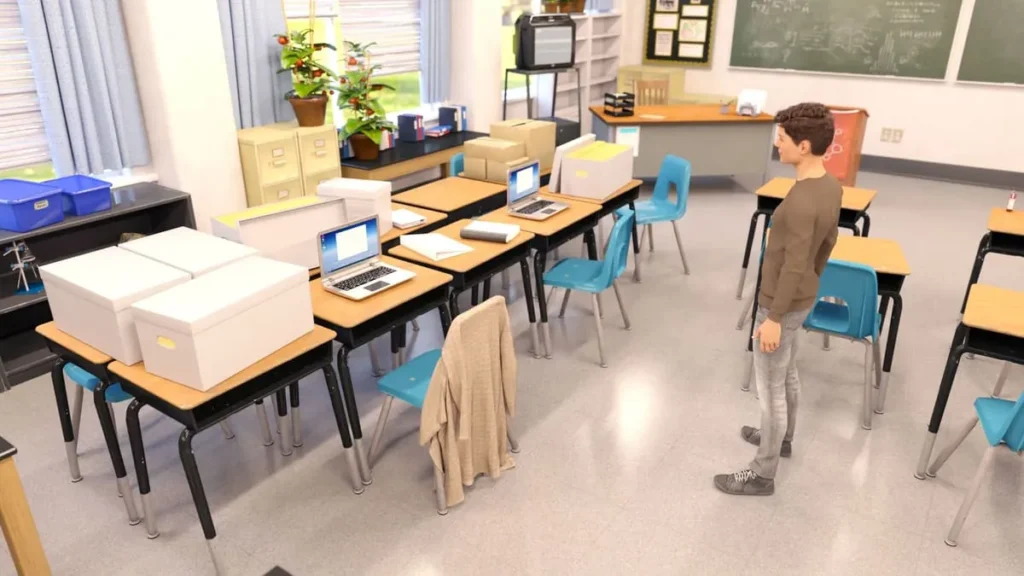

University of Problems review
An in-depth walkthrough, tips, and player insights for University of Problems
University of Problems is a mature-themed visual novel and role-playing title that blends narrative choices with character relationship systems to create branching outcomes. In this guide I cover the game’s core mechanics, character arcs, key decision points, and practical strategies I used to reach multiple endings. If you want a clear roadmap—complete with personal play anecdotes and actionable advice—this article will help you get the most from University of Problems.
Gameplay and Mechanics: How University of Problems Works
Welcome to your freshman year! 😅 Navigating the social and academic whirlwind of University of Problems can feel overwhelming at first. Trust me, I spent my first in-game week just wandering around, missing classes, and accidentally insulting half the campus. It was a disaster. But once you crack the code of its systems, you unlock a deeply rewarding experience. This chapter is your backstage pass to how everything works. We’re going deep on the University of Problems mechanics, breaking down the numbers behind the fun so you can stop guessing and start dominating your virtual college life. 🎓
Let’s get you from confused freshman to campus legend.
Core systems: stats, relationship meters, and resources
At its heart, University of Problems is a game of numbers and choices. Your success hinges on three interconnected pillars: your personal stats, your standing with other characters, and your management of time and money. Ignore one, and the whole tower can come tumbling down.
First up, your stats. Think of these as your character’s intrinsic abilities. They are the silent gatekeepers for a huge percentage of the game’s dialogue options, event triggers, and special scenes. During my playthrough, I arrogantly ignored the Persuasion stat, thinking I could charm my way through everything. Big mistake! I hit a wall in the main story where a critical conversation required a Persuasion check of 45, and I was sitting at a measly 22. I had to spend two in-game weeks doing nothing but boring library research to catch up. Learn from my fail!
Here’s a breakdown of the primary attributes you need to manage:
| Stat Name | Primary Influence | How to Raise It |
|---|---|---|
| Intelligence | Academic success, solving puzzles, unlocking certain logical dialogue choices. | Attending classes, studying in the library, reading books. |
| Charisma | Social interactions, convincing others, gaining favors, and party reputation. | Participating in social events, choosing confident dialogue, successful dates. |
| Strength | Physical challenges, part-time job performance (like moving crates), and certain athletic events. | Working out at the gym, playing sports, physical labor jobs. |
| Persuasion | A subset of social influence; directly opens specific negotiation and flirtation paths. | Practice in dialogues (especially with faculty/staff), special seminars. |
| Stamina | Dictates how many actions you can perform in a single day before becoming exhausted. | Consistent sleep, healthy choices, and gradually increasing activity. |
This University of Problems stats guide is your foundation. My recommendation? Don’t try to be a master of all trades immediately. Pick two complementary stats that align with your desired playstyle (e.g., Intelligence and Persuasion for a smooth-talker scholar, or Strength and Charisma for a party-hearted athlete) and focus on them early.
Now, let’s talk about the heart of the game: the relationship meters University of Problems uses. Every major character has a hidden (or sometimes shown) affection score. This isn’t just a “like/dislike” bar; it’s a complex web of memory. The game tracks your major choices, gifts, and completed events with each person.
Pro Tip: The game remembers seemingly small slights. Choosing to help one character over another in an early event can subtly shift your standing with both for weeks.
Gaining points isn’t just about being nice. Sometimes, a playful, teasing response scores higher than a straightforward compliment, depending on the character’s personality. Rachel might love confidence, while Emma might appreciate more thoughtful, shy interactions. You have to learn their personalities. Gifts are a direct boost, but they cost precious money, so choose wisely! Major story decisions often give large relationship boosts or cause significant drops.
The key insight here is that relationship meters University of Problems employs are often gated by your stats. You might have max affection with a character, but if your Intelligence is too low, you won’t understand their complex personal problem or be able to help them, blocking their next story arc. Stats and relationships are two sides of the same coin. 💎
Daily flow and event scheduling
Understanding the clock is perhaps the most crucial University of Problems mechanics skill to master. The game operates on a tight daily and weekly schedule. Time is your most valuable—and non-renewable—resource.
A typical day is broken into blocks: Morning, Afternoon, Evening, and Late Night. Each block allows for one or two primary actions. You might attend a class in the morning (which often raises a specific stat), hit the gym in the afternoon, and then go on a date or to a party in the evening. Event scheduling University of Problems style is both predictable and dynamic.
- Fixed Events: These are your anchors. Classes happen on specific weekdays. The football game is every Saturday. The downtown club has a special event every other Friday. Mark these in your mental calendar!
- Triggered Events: This is where the magic happens. These events spawn when conditions are met: a combination of the right day/time, a minimum stat level, a certain relationship score, and sometimes, a prior choice. For example, “Emma’s Art Show” might only trigger on a Thursday evening if your Intelligence is 30+ and your relationship with her is above 50.
This is why a blind playthrough can be frustrating. You might be in the right place at the right time, but without the required stats, the event simply won’t appear, leaving you wondering what you missed. The event scheduling University of Problems uses rewards preparation and punishes wandering.
My personal “aha!” moment came when I cracked a specific character’s schedule. I noticed that Maya always studied at the library café between 2-4 PM on Tuesdays and Thursdays. By ensuring my Stamina was high enough to have an action free in that slot, and by boosting my Intelligence to match hers, I unlocked a series of unique study-date scenes that massively accelerated our relationship. It felt like discovering a secret level! 🗝️
This leads perfectly into one of the most important save tips University of Problems players need: Save before every time block where you plan to experiment. Seriously. Made a new save called “Thursday_AM_BeforeClass.” If you go through the day and nothing interesting happens, or you fail a stat check, you can rewind and try a different action without losing a whole day’s progress.
Tips to optimize progress
You’ve got the theory; now let’s talk action. How do you turn this knowledge into a smooth, successful college experience? Here’s how to optimize progress University of Problems throws at you.
1. Save Like a Paranoid Archivist. This is the golden rule. The save tips University of Problems veterans swear by are simple:
* Manual Saves Are King: Don’t just rely on autosaves. Create your own timeline.
* Label Clearly: Use names that mean something. “Pre_Party_Choice_Rachel” or “Before_Final_Exam_Week.”
* Maintain a “Branch Point” Save: Always keep one save file at the start of each new game week. This lets you restart the week entirely if you realize your strategy is flawed, without replaying dozens of hours.
2. Build a Balanced Foundation Early. Your first two weeks are critical. Spend this time on low-cost, high-reward activities.
* Attend all your free classes to get those core stats up.
* Talk to everyone, but don’t spend money on expensive dates yet. Go for walks, get coffee—the low-stamina, low-cost interactions.
* Find one or two part-time job shifts to establish a small income stream. Being broke blocks so many opportunities.
3. Prioritize & Sequence Your Goals. You can’t do everything in one playthrough, and that’s okay! Decide on a primary “romance path” or “stat goal” for this run. Once you know that, your daily choices become clearer. If your goal is to romance a character who values Intelligence, your action priority should be: 1) Attend relevant classes, 2) Study, 3) See them in social contexts that reward Intelligence checks.
4. The Pitfall of Overinvestment. A common mistake is pouring all your time and resources into one character from day one. This can actually backfire. Some story arcs for Character A require you to have witnessed an event with Character B. By socially isolating yourself, you might lock yourself out of content. Keep a few relationship meters University of Problems tracks warm, even if you’re not fully pursuing them.
To optimize progress University of Problems style, you need a routine. Here’s a simple weekly checklist you can follow to maintain balance:
- 📅 Start of Week Save: Always make a new manual save here.
- 🧠 Stat Check: Have you hit your target stat thresholds for the upcoming week’s known events? If not, schedule 2-3 training actions.
- ❤️ Social Touchpoints: Plan one low-effort interaction with your main interest and one with a secondary character. (e.g., a lunch meetup or library run-in).
- 💰 Finance Review: Do you have enough cash for a potential gift or event ticket later in the week? Schedule a work shift if needed.
- 🎯 Major Event Prep: Identify the one or two big scheduled events (party, game, date). Ensure your Stamina is high enough to attend and participate fully.
- 💾 Mid-Week Save: Save again mid-week, before any major story choices.
Sticking to a flexible plan like this prevents you from reacting to each day in a panic and ensures you’re always building toward something. Remember, University of Problems is a marathon, not a sprint. With these University of Problems mechanics in your back pocket, you’re ready to not just play the game, but to master it. Now get out there and make some (intentional) problems! 😉
University of Problems rewards patient, curious players who manage stats, time, and relationships deliberately. This guide summarized core mechanics, character paths, a decision-focused walkthrough, installation and mod tips, and community resources—all framed with practical tactics and personal playnotes to help you experiment confidently. Save often, try branching choices on separate slots, and use the checklists above to balance progression and exploration. If you found specific tips useful, try the recommended save setups and share your results in community hubs to help others.