
A House in the Rift
Play A House in the Rift
A House in the Rift Screenshots


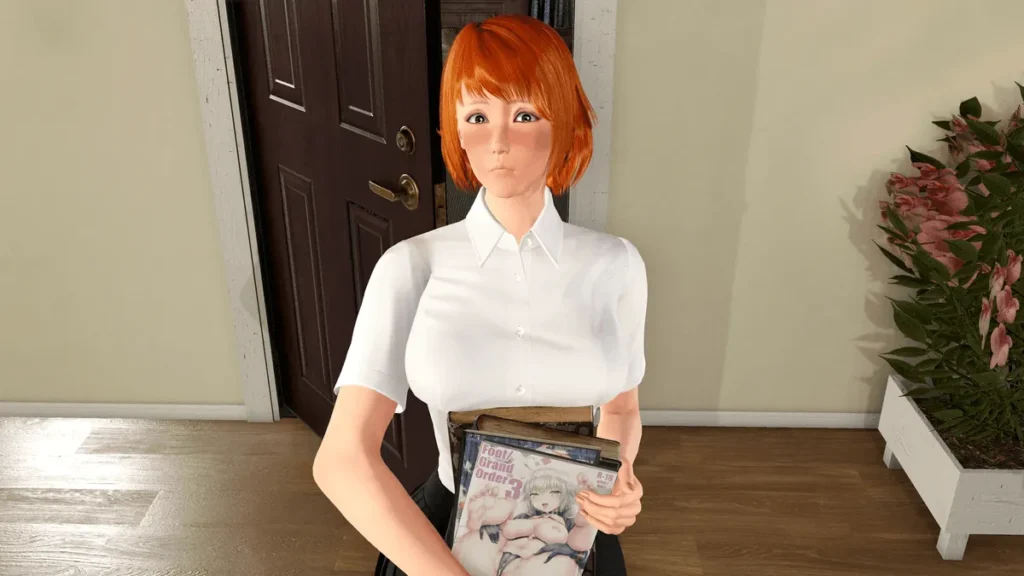














A House in the Rift review
Discover the Cozy World-Building and Intimate Adventures
Imagine stumbling into a mystical rift that pulls you into a house filled with captivating companions, where every day blends cozy daily life with thrilling intimate moments. That’s the magic of A House in the Rift, the visual novel that’s got players hooked on its believable world and warm family vibes. I’ve spent countless evenings lost in its story, feeling like part of the household. In this guide, we’ll dive deep into what makes this game stand out, from character dynamics to progression tips, helping you maximize your experience in this rift-torn paradise.
What Makes A House in the Rift So Addictive?
I still remember the first time I loaded up A House in the Rift. I was expecting just another visual novel, maybe with some nice art. What I wasn’t prepared for was the profound sense of peace that washed over me. It wasn’t about epic quests or saving the world; it was about the quiet magic of a shared morning coffee, the gentle teasing over whose turn it was to do the dishes, and the soft, warm light of a lantern on a shared balcony at night. I realized I wasn’t just playing a game; I was coming home. This is the secret sauce, the heart of A House in the Rift gameplay—it makes you feel like you belong. If you’re wondering what is A House in the Rift, it’s this feeling, bottled into a cozy visual novel experience that prioritizes heart over spectacle.
This guide is about unraveling that magic. We’re going to explore why this game sinks its hooks into you so deeply, transforming simple daily routines into something you genuinely look forward to. We’ll talk about building a life, not just watching a story.
Why the Daily Life Feels So Real and Cozy ☕🧹
The genius of this daily life simulation isn’t in grand events, but in the tiny, repeatable moments. The core loop is deceptively simple: you wake up in your mysterious, cozy house adrift in a magical void, and you spend your day interacting with the girls who share this space with you. You can chat, help with chores, share meals, work on expanding the house, or just relax together.
But here’s where it transcends being a simple checklist. One evening, I noticed Lyriel, the elegant elf, looking slightly frustrated while trying to organize some old tomes. The game presented a choice: offer to help, or go practice your magic. I chose to help. What followed wasn’t just a +5 to an affection meter. We spent the next hour of game time carefully sorting books, and she shared snippets of elven history tied to each one—lore that felt personal, not like a textbook entry. It was a quiet, intimate moment that arose naturally from paying attention to her daily state.
This is the key. A House in the Rift makes you care about the process, not just the reward. Making breakfast with Rae isn’t a task; it’s a chance to learn about her past through casual banter. Watering the plants with Zen is a moment of shared, silent understanding. The game builds its warm family vibes game atmosphere brick by brick, through these repeated, caring interactions. You’re not a hero charging into battle; you’re a cornerstone of a small, found family, and your presence in their daily rhythm matters. This creates a feedback loop of comfort that is incredibly moreish.
My practical advice? Don’t rush. The temptation in any game is to optimize, to grind affection points. Fight that urge here. Start your day by simply talking to everyone. See who needs a hand. Let the day unfold naturally. Often, the most memorable scenes and subtle character development come from these unscripted, procedural interactions that the A House in the Rift gameplay systems facilitate so well.
How the World-Building Sets It Apart from Others 🌌🏠
Many games use their setting as a pretty backdrop. In A House in the Rift, the setting is a character. The “Rift” itself—a shimmering, endless void of magical energy—isn’t just empty space. It’s a source of mystery, danger, and wonder. The house, your sanctuary, grows and changes literally based on the bonds you forge. New rooms unlock not because you grinded enough resource X, but because your relationships have deepened, making the home feel more complete, more lived-in.
This creates a believable game world because it reacts to you. The characters aren’t just waiting around; they have their own reactions to the Rift’s mysteries. A strange light from the void might intrigue the scientifically-minded Rae, worry the protective Zen, and fill the magical Lyriel with a sense of ancestral familiarity. You learn about the world through them, through their unique lenses. The lore isn’t dumped in a codex; it’s woven into bedtime stories, shared fears, and hopeful theories about finding a way home.
This integration is what sets it apart from other narrative games. The world-building serves the intimacy, and the intimacy, in turn, makes the world feel real. To see how this approach compares, let’s look at it side-by-side with other experiences in the genre.
| Feature | A House in the Rift | Competitor 1 (Typical Dating Sim) | Competitor 2 (Farm/Life Sim) |
|---|---|---|---|
| Core Daily Loop | **Intimate social management** & home expansion driven by character bonds. | Stat management to unlock specific character routes/scenes. | Resource farming, crafting, and town restoration. |
| World Integration | The world (The Rift) and home **directly evolve** based on narrative and relationship progress. | World is a static backdrop (school, town) for character encounters. | World changes through player-built infrastructure and seasonal events. |
| Relationship Progression | **Procedural & organic**; scenes trigger based on daily choices, affinity, and random events for natural flow. | Linear, flag-based progression; follow a set path for each character. | Friendship grows through gifting preferred items and completing quests. |
| Primary Vibe | **Warm, cozy, mysterious family** in isolation. | Romantic or dramatic social dynamics in a familiar setting. | Chill, productive homesteading in a community. |
As you can see, A House in the Rift carves its own niche by making the believable game world and the daily life simulation inseparable from the emotional core. You’re not just in a world; you’re building a home within it, together.
Unlocking the Intimate Bonds with Your Companions 💖🗝️
This is where the soul of the game truly resides. The intimate companion bonds here are masterclasses in slow-burn, believable connection. The game avoids generic tropes by giving each character a deep sense of personhood outside of you. They have their own hobbies, fears, traumas, and dreams. Your role isn’t to “fix” them, but to support them, creating a safe space for them to heal and grow.
Affection isn’t a mere number. It’s a gradient of trust that changes how they interact with you and each other. Early on, a character might be polite but reserved. As trust builds, they’ll seek you out for comfort after a nightmare, share a vulnerable memory while stargazing, or playfully argue with you about trivial things—the hallmarks of real closeness. The intimate scenes the game is known for are earned, feeling like a natural culmination of this emotional journey rather than a transactional reward.
So, how do you nurture these bonds effectively? Here’s my tried-and-true approach:
Focus on consistency over grand gestures. A daily, thoughtful interaction is worth more than sporadically giving the “perfect” gift. Pay attention to their mood each day and respond accordingly.
Start by identifying what each companion values. Does she appreciate help with her projects? Does she prefer quiet conversation or playful activity? The game shows you through their reactions. Remember, building intimate companion bonds is the primary engine for progression. As these bonds strengthen, you’ll unlock not just personal scenes, but also new areas of the house, new story events about the Rift, and deeper group dynamics that make the warm family vibes game truly shine.
Think of it as tending a garden, not completing a conquest. Water it daily with your attention, protect it with your choices, and you’ll be rewarded with a connection that makes this magical house in the void feel like the only home that matters. And this is just the beginning—as your family grows closer, the very mysteries of the Rift itself begin to unravel…
To launch your own journey into this unforgettable experience, here are five essential starter tips:
- Prioritize Daily Interactions: Before anything else, talk to everyone each morning. This is your pulse check on the group and often triggers small, meaningful moments.
- Observe and Adapt: Notice if a character seems down or excited. Tailoring your response to their current mood yields far better results than a one-size-fits-all approach.
- Balance Your Attention: While you may have a favorite, consistently neglecting others can stall overall house progression and lead to awkward group dynamics.
- Engage with the Environment: Click on new objects in the house, suggest trips to the balcony, or propose a group activity. The game rewards proactive engagement with your shared space.
- Document Your Discoveries: Make a mental or actual note of what topics or activities each companion enjoys. This pays huge dividends when making choices to deepen your bonds.
A House in the Rift captures that perfect mix of cozy companionship and exciting discoveries, making every session feel like coming home to friends who truly care. From the heartfelt daily moments to deepening bonds, it’s a game that lingers long after you close it. If you’re craving an immersive escape, dive in today—grab the latest version, experiment with your choices, and let the rift pull you into its warmth. Your next favorite adventure awaits; what’s stopping you from starting?